A patient searching “dentist near me” on Yelp sees results sorted by three things Yelp names in its own guide to search: how relevant your practice is to the words they typed, how close you are to them, and your ratings, plus what Yelp calls “dozens of other factors too long to list here.” Yelp also says advertisers do not get higher placement than non-advertisers. So better visibility on Yelp comes from a complete, accurate business page and steady organic reviews, not from paying.
That gives a dental office four levers it controls: the categories and details on the page, the hours, the photos and description, and how the team handles reviews. We researched Yelp’s search guide, its Trust and Safety pages and the HHS enforcement cases on review replies to show how each lever works.
Request Dental SEO Quote
What Yelp’s own pages tell dentists
- Yelp ranks on relevance to the search term, distance to the searcher and ratings, plus many unnamed factors.
- Advertisers do not get higher placement in organic results; ads appear as labeled sponsored results.
- A practice with no hours on its page cannot appear when a searcher turns on the “Open Now” filter.
- Yelp’s recommendation software filters reviews it suspects were solicited, and those reviews do not count toward the star rating.
- HHS has fined dental practices whose replies to online reviews disclosed patient information.
Understand What Yelp Search Rewards
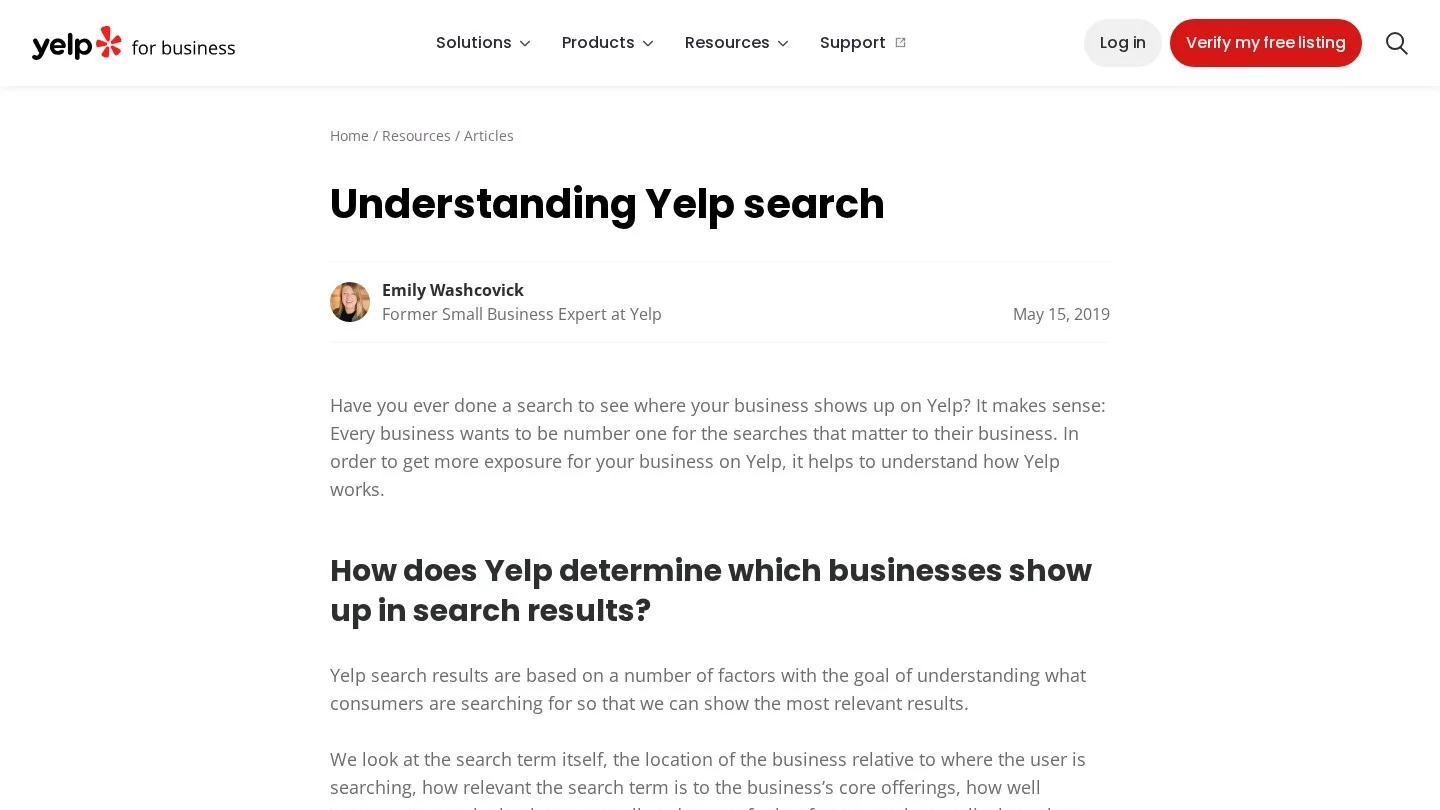
Yelp’s guide to search explains that results weigh the search term, the location of the business against the searcher, and how closely the term matches what the business offers. Ratings also matter. In Yelp’s own example, a five-star business with hundreds of reviews may be more useful than a one-star business with a single review.
Distance can still beat stars. Yelp notes that a business one block away may rank above one five miles away, even with a slightly lower rating. For a dental office, that means you will rarely rank across a whole metro area. Instead, you compete hardest in the neighborhoods closest to your chairs.
Searchers can also re-sort results by Highest Rated, Most Reviewed or Distance. Therefore, review count and rating affect visibility twice: once in the default sort and again when patients choose a different order.
Claim the Page and Fix Every Business Detail
Claim your free Yelp business page first, because only the owner can edit it. Then check each field Yelp lists as part of an accurate page: address, phone number, hours, map pin and categories of service.
Match those details to your Google Business Profile and your website footer exactly. A suite number missing on one platform, or an old phone number from a previous owner, confuses patients and splits calls. Our guide to dental citation sites shows how to keep the same details across every directory.
Choose Categories That Match Real Searches
Relevance to the search term is one of the main signals Yelp names. Categories are the clearest way to tell Yelp what you offer. A general practice that also places implants and treats children should list the categories that describe that work, not only “General Dentistry.”
Keep the list honest, though. If you add “Orthodontists” without offering braces or aligners, patients who click will leave, and your page will collect reviews that do not match the category. Each category should match a service you would gladly book tomorrow.
Add Hours So You Show Up in “Open Now”
Yelp says businesses that are open when someone searches are more likely to rank well. It also says a business must list hours on its page to appear in “Open Now” searches.
For a dental office, this matters most for emergency searches. A patient with a broken tooth at 7 a.m. often filters for open offices. So add your real hours, special hours for holidays, and any early or Saturday sessions. If you take same-day emergencies, say so in the “About this Business” section, which Yelp names as the place for helpful details.
Write an About Section a Patient Can Act On
Yelp suggests adding helpful information in “About this Business.” Use it to answer the questions patients ask before they call:
- Which services you offer, in plain words such as “implants,” “Invisalign” or “kids’ cleanings.”
- Which insurance plans you accept, and whether you offer a membership plan.
- Which languages your team speaks.
- Where to park, and whether the office is wheelchair accessible.
- How fast you see emergency patients.
Write it in the same words patients use in reviews and searches. That way the page reads naturally and also matches the terms Yelp compares against.
Let Reviews Come In Naturally
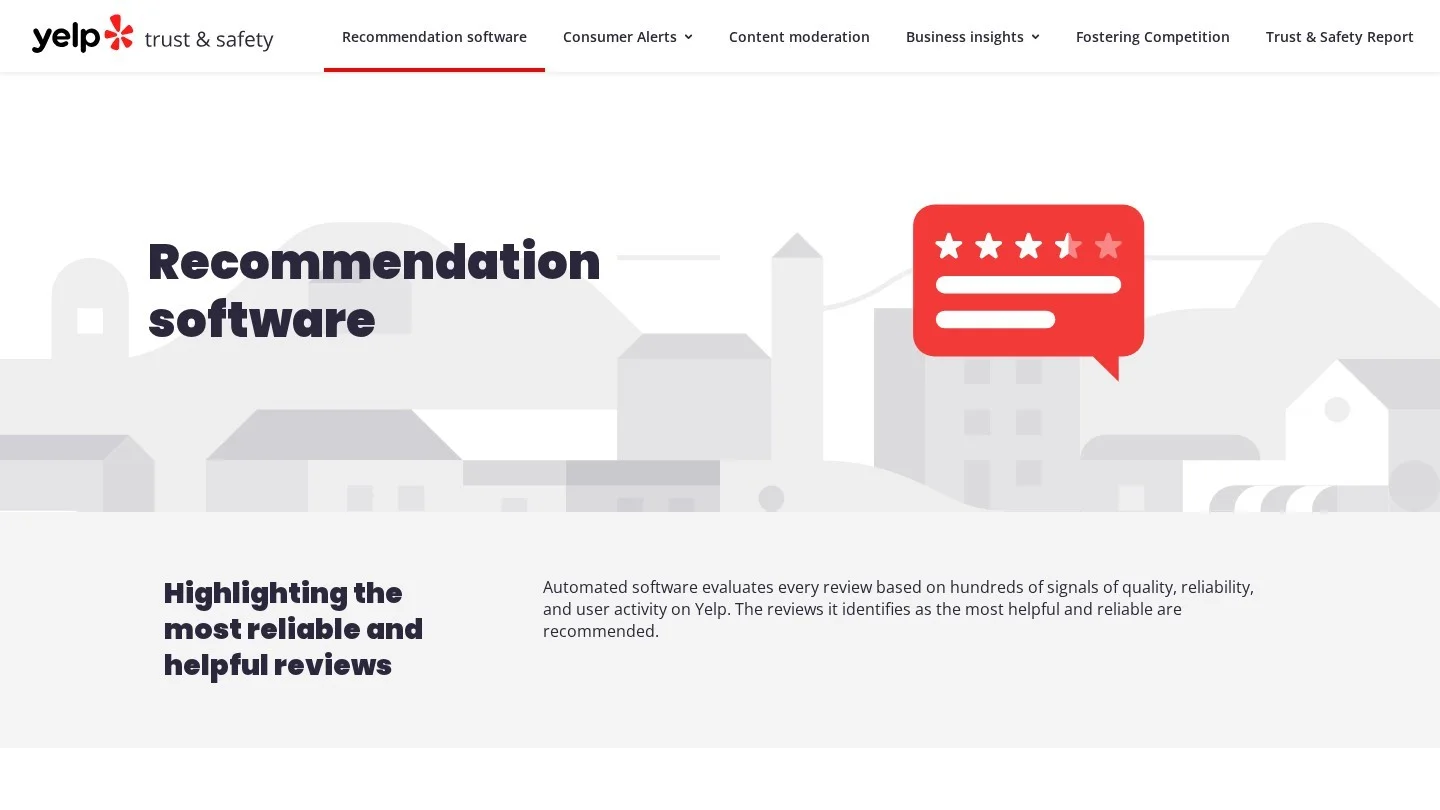
Yelp is unusual among review sites. Its guide to search says plainly, “Don’t ask your customers to write reviews.” Its Trust and Safety pages explain why: the recommendation software looks for solicited reviews, which it suspects the business owner or an employee asked for, along with conflicts of interest, low reliability and low usefulness.
Reviews the software does not recommend still sit behind a link at the bottom of the page. However, they do not count toward the overall star rating or the review count. As a result, a push to collect Yelp reviews can leave a practice with the same rating and fewer visible reviews than it expected.
Yelp also says no employee can override the software, and that advertising has no effect on how reviews are treated.
So what can a dental office do? Put the effort into the visit itself. Patients who are inspired to write are the ones whose reviews Yelp recommends. Meanwhile, ask for reviews on Google, where requests are allowed, and follow the steps in our guide to getting more five-star dental reviews.
Never Offer Anything in Exchange for a Review
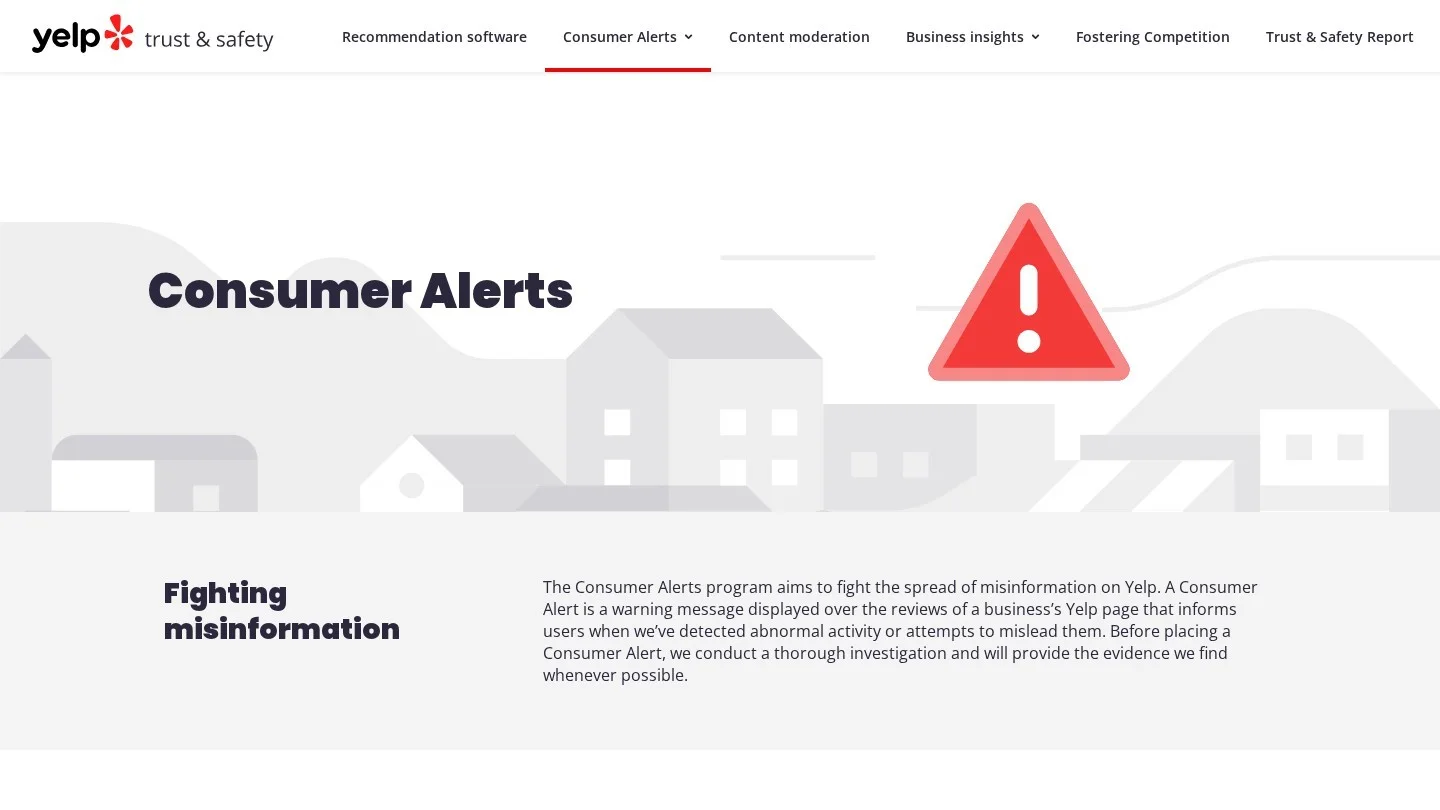
Discounts, raffle entries or gift cards for reviews can trigger a Consumer Alert. Yelp describes a Compensated Activity Alert as a warning shown over a business’s reviews when it has evidence that someone offered cash or other incentives for reviews. It also runs Suspicious Review Activity Alerts, for example when many reviews come from a single IP address.
In addition, Yelp places Questionable Legal Threats Alerts when it has evidence a business may be abusing the legal system to silence a reviewer. That matters for dentists in particular, because the press coverage Yelp links on that page includes a story about a dentist who might sue patients for negative reviews.
Reply to Reviews Without Revealing Patient Details
Replies are public, and HIPAA still applies. HHS has settled several cases in which providers disclosed patient information while answering online reviews:
| Practice | What HHS found | Settlement |
|---|---|---|
| New Vision Dental, California | Responses to patient reviews on social media disclosed protected health information | $23,000 and a corrective action plan |
| Elite Dental Associates, Dallas | Social media disclosures of patients’ protected health information | $10,000 and a corrective action plan |
| Manasa Health Center, New Jersey | A reply to a patient’s negative online review revealed protected health information | $30,000 and a corrective action plan |
Therefore, a safe Yelp reply never confirms that the reviewer is a patient, never mentions a treatment, date, bill or insurance detail, and moves the conversation offline. For example: “Thank you for taking the time to share this. We take every concern seriously. Please call our office manager at the main number so we can talk it through.”
Decide Whether Yelp Ads Are Worth Testing
Yelp says relevant ads appear above and around unpaid results, labeled as sponsored results. They do not change where your page ranks organically. So treat ads as extra placement, not as a way to fix a weak page.
Before you test, look at your own numbers. If Yelp already sends calls from your free page, an ad can extend that reach in nearby neighborhoods. If your page has few reviews or missing details, fix those first, because the ad still sends people to the same page. Our comparison of Google Ads and dental SEO covers how to judge paid traffic against organic work.
Track Yelp Visibility Each Month
Yelp’s guide warns against chasing a single “number one” spot, since results change with each searcher’s location and words. Instead, track numbers you control:
- Activity numbers shown in your Yelp business account.
- Calls from the Yelp listing, using a call-tracking number only if your vendor signs a business associate agreement where needed.
- Recommended review count and rating each month.
- New patients who mention Yelp at check-in.
Check the trend over a quarter, not week to week. Then compare it with your Google results in our Google Maps ranking guide, since most practices get more new patients from Google than from Yelp.
Questions Dentists Ask About Yelp
Does paying for Yelp Ads improve my organic ranking?
No. Yelp says advertisers do not get higher placement than non-advertisers in organic results. Ads show separately, labeled as sponsored.
Why did some of my Yelp reviews disappear?
They were most likely moved to “not recommended” by Yelp’s recommendation software. Those reviews stay visible behind a link but do not count toward your rating or review count. Recommendations can change over time as the software learns more about each reviewer.
Can my office ask happy patients to review us on Yelp?
Yelp asks businesses not to request reviews, and its software filters reviews it suspects were solicited. Ask for Google reviews instead and let Yelp reviews come on their own.
How should a dentist reply to a negative Yelp review?
Keep the reply short and general, do not confirm the person is a patient, and invite them to call the office. HHS has fined practices whose review replies disclosed patient information.
For a wider plan that covers Google, Yelp and your website together, read our dentist SEO guide or compare firms in the US dental SEO agency directory.