

We publish guest posts from people who market dental practices for a living. So that includes dentists, hygienists, office managers, in-house marketers and agency staff. Send a finished draft through the form near the end of this page. An editor reads every complete submission.
Our test is short, but few drafts pass it. Each post must teach a practice owner one thing they can do this month. For example, “How we cut no-shows with a two-text reminder” works. “Why SEO matters for dentists” does not, because it gives the reader nothing to do.
Request Dental SEO Quote
Check These Points Before You Send a Draft
- Pick one dental marketing problem and show the steps you used to fix it.
- Name yourself, your role and the work you have done for real practices.
- Link each number to the public page it came from, or show your own math.
- Keep patient names, photos and case details out of the draft unless you hold written consent.
- Add no paid links, no keyword-stuffed anchors and no links to pages that sell the same service we list.
- Send the full draft through the form. We do not review outlines or topic lists.
Pick a Topic Dental Practices Can Act On
Our readers run or market dental offices. Most of them read on a phone between patients. That is why every post has to answer a question they already have, in words they would type into Google.
Write About These Dental Marketing Subjects
We take drafts in these areas. In fact, the best ones come from a single project you ran from start to finish.
- Local search for dental offices, such as Google Business Profile fields, map rankings and listings.
- Treatment pages that bring in new patients, for example implants, aligners or emergency care.
- Reviews and reputation, including how you ask, how you reply and what you never say in a reply.
- Measurement, such as call tracking, GA4 key events and counting new patients by source.
- Website work on dental sites, for instance speed fixes, schema, booking flows and accessibility.
- Content and social media for practices, including how to plan posts that a busy team can keep up.
- Hiring and managing a dental marketing agency, from the contract to the monthly report.
- AI search for dentists, such as how practices show up in AI answers and how to track those visits.
So be specific. “Five Business Profile edits that moved a pediatric office into the map pack” will get read. “Local SEO tips for dentists” will not.
Skip Topics We Already Cover or Cannot Publish
First, check our existing articles before you pitch. For instance, we already have a long dentist SEO guide and a list of dental guest posting sites. So pitch a new angle on those topics, such as a case from one office, and skip the summary.
Second, we do not publish clinical advice. As a result, drafts on how to treat gum disease or which implant system to use go to clinical journals. We also turn down posts that review one agency or tool, since those read as ads. Finally, we skip general business posts with no dental angle.

Show Us Who You Are and What You Have Done
Anyone can submit. Still, we publish people whose work a reader can check. Your author bio needs your full name, your job title and the type of practices you work with.
Experience counts more than titles. A front-desk lead who rebuilt a recall system has a story worth telling. Likewise, an agency strategist who moved 12 offices to new listings has data to share. Tell us what you did, for how many practices, and what changed after.
Dentists who write for us should list their degree and state of license. Specialists should name their specialty. However, we check every specialty claim against the ADA list before we publish, as the next section explains.
Meet Our Editorial Standards for Dental Articles
An editor reads each draft line by line. Then we fact-check every number and open every link. These five rules decide most outcomes.
Write in Plain Words for a Busy Dentist
Write the way you would explain the task across a desk. Use short sentences and common words. Also, put the answer in the first paragraph and the steps after it.
Cut the warm-up. A post that opens with “In the digital age” loses the reader in one line. Instead, open with a fact, a number or the first instruction. Our own guide to dental website E-E-A-T shows the tone we like.
Back Every Number With a Primary Source
Every statistic needs a source a reader can open. So link to the page that first published it. Good sources include Google’s own help pages, the ADA, the CDC, HHS and peer-reviewed journals.
Blog posts that quote other blog posts do not count. If the trail ends at “studies show,” cut the claim. Your own numbers are welcome, but show how you got them. For example, “We counted 140 new-patient calls across three offices over 90 days” tells us the method in one line.
Keep Clinical Claims Inside the ADA Code
The ADA Code of Professional Conduct treats some advertising claims as false or misleading. Advisory Opinion 5.F.2 covers statements likely to create an unjustified expectation about results. So “pain-free implants” or “perfect smiles guaranteed” will not pass, even inside a sample ad.
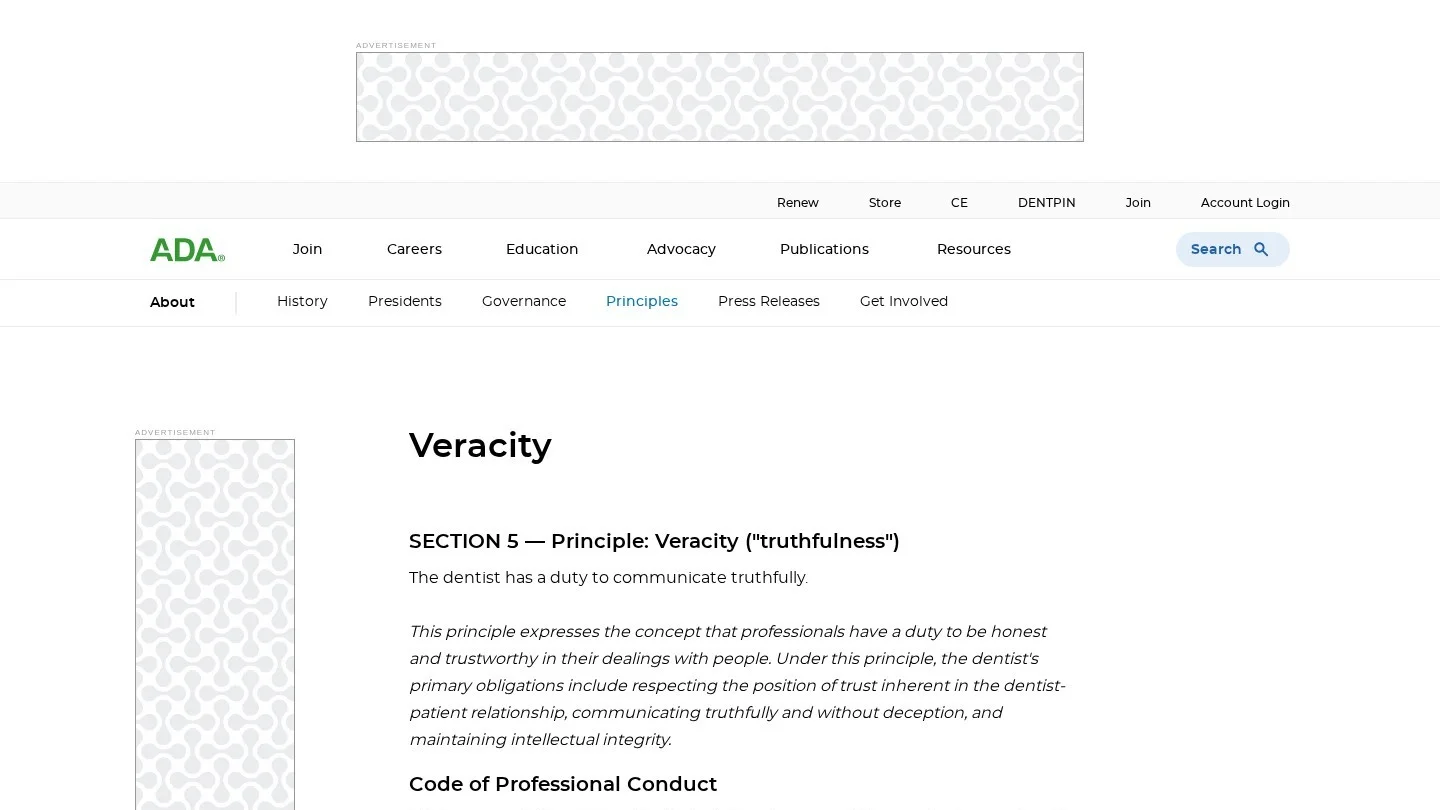
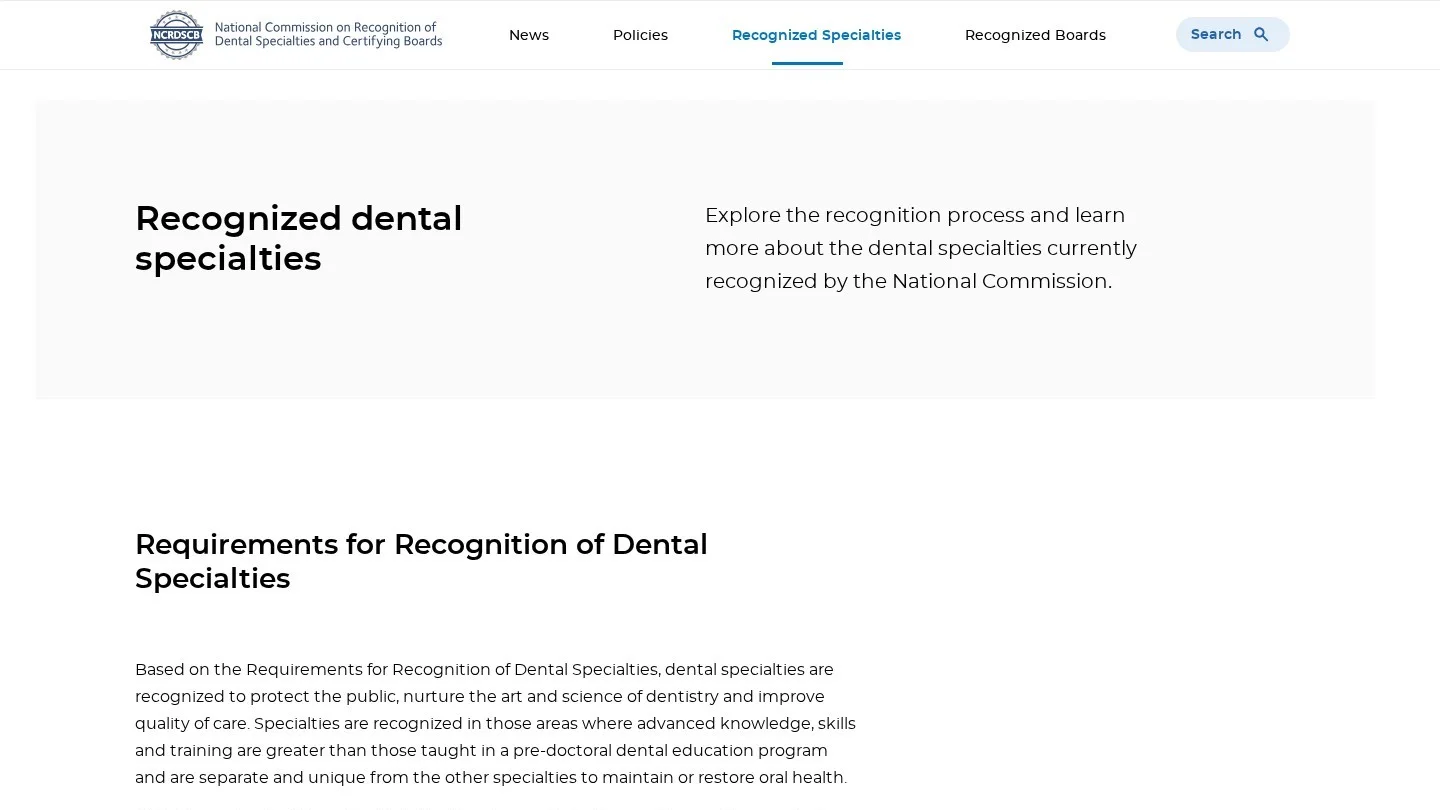
Specialty wording follows the same rules. Under Section 5.H of the ADA Code, a dentist may announce as a specialist only in a recognized specialty. The National Commission on Recognition of Dental Specialties and Certifying Boards keeps that list of 12 specialties. Cosmetic dentistry is not on it, so we edit “cosmetic specialist” out of every draft.
Leave Patient Details Out of Every Draft
Patient stories make good posts, but HIPAA still applies to them. In 2019, Elite Dental Associates in Dallas paid $10,000 to settle potential HIPAA violations with the HHS Office for Civil Rights. The practice had shared patient details in replies to Yelp reviews. A guest post can repeat that mistake in public.
So remove names, dates, ages, photos and any detail that could point to one person. If you want to use a real case, get the patient’s written authorization first. Then tell us you have it. We may ask to see it before we publish.
Show Real Dental Pages as Examples
We want readers to see what good work looks like. For that reason, link to live pages from real practices that do the thing you describe. For instance, Tower Dental puts a clinical reviewer line and a comparison table on its bonding versus veneers guide.
Another example is the emergency page from mydentist in the UK. It tells patients in plain words when to call 999 for swelling or bleeding. That is the clear, safe tone we ask for in patient-facing advice.
Rockville Dental Arts gives a third model. Its implant candidacy page uses headings that match patient worries, such as bone loss, smoking and age. Pages like these give our readers something to copy. Logos and badges alone do not.
Follow Our Link Policy Before You Add a URL
You may include one link to your own site in your author bio. But in the body, links must point to sources or examples that help the reader. We decide which body links stay.
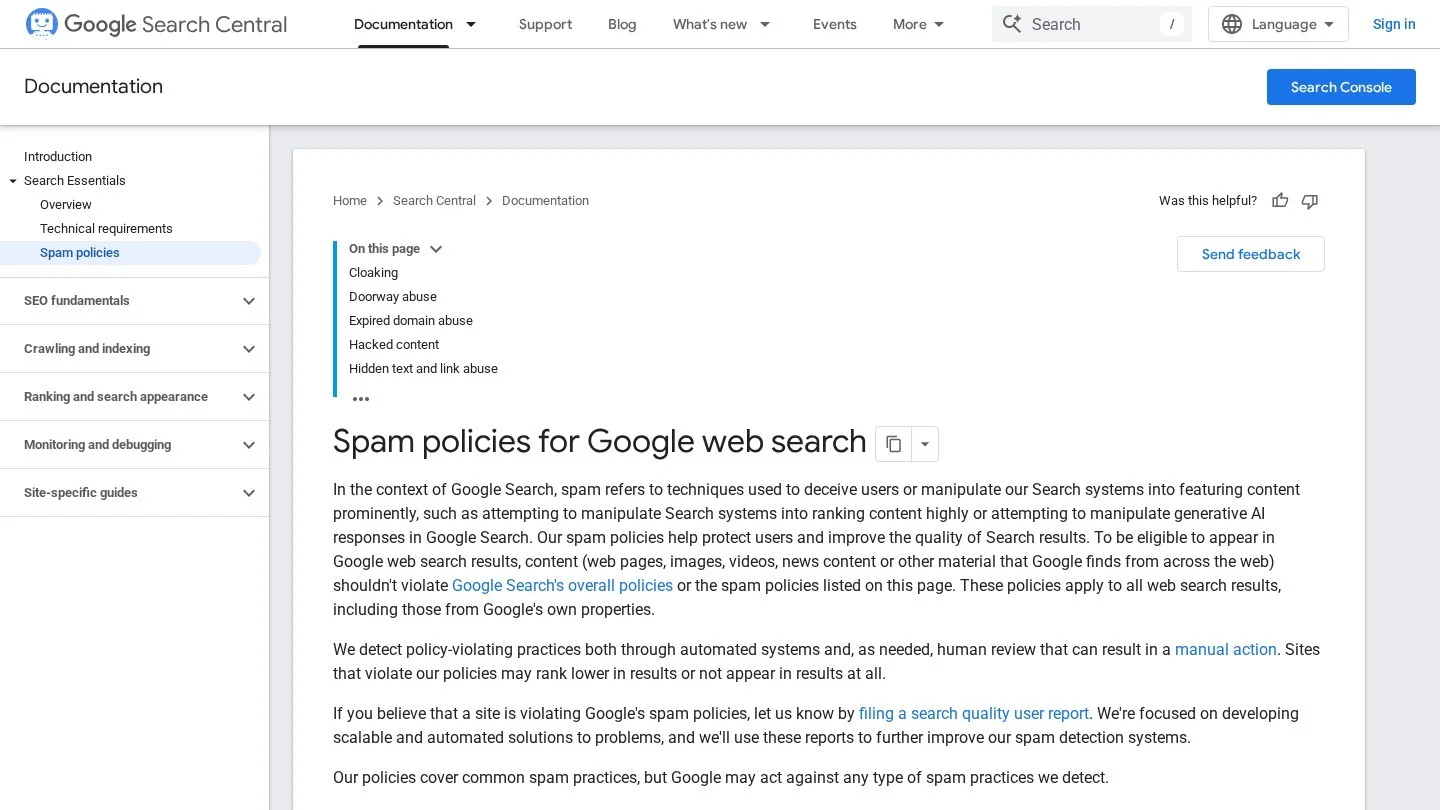
Google’s spam policies name “links with optimized anchor text in articles, guest posts, or press releases distributed on other sites” as link spam. So we rewrite exact-match anchors such as “best dental SEO company Dallas” into plain words.
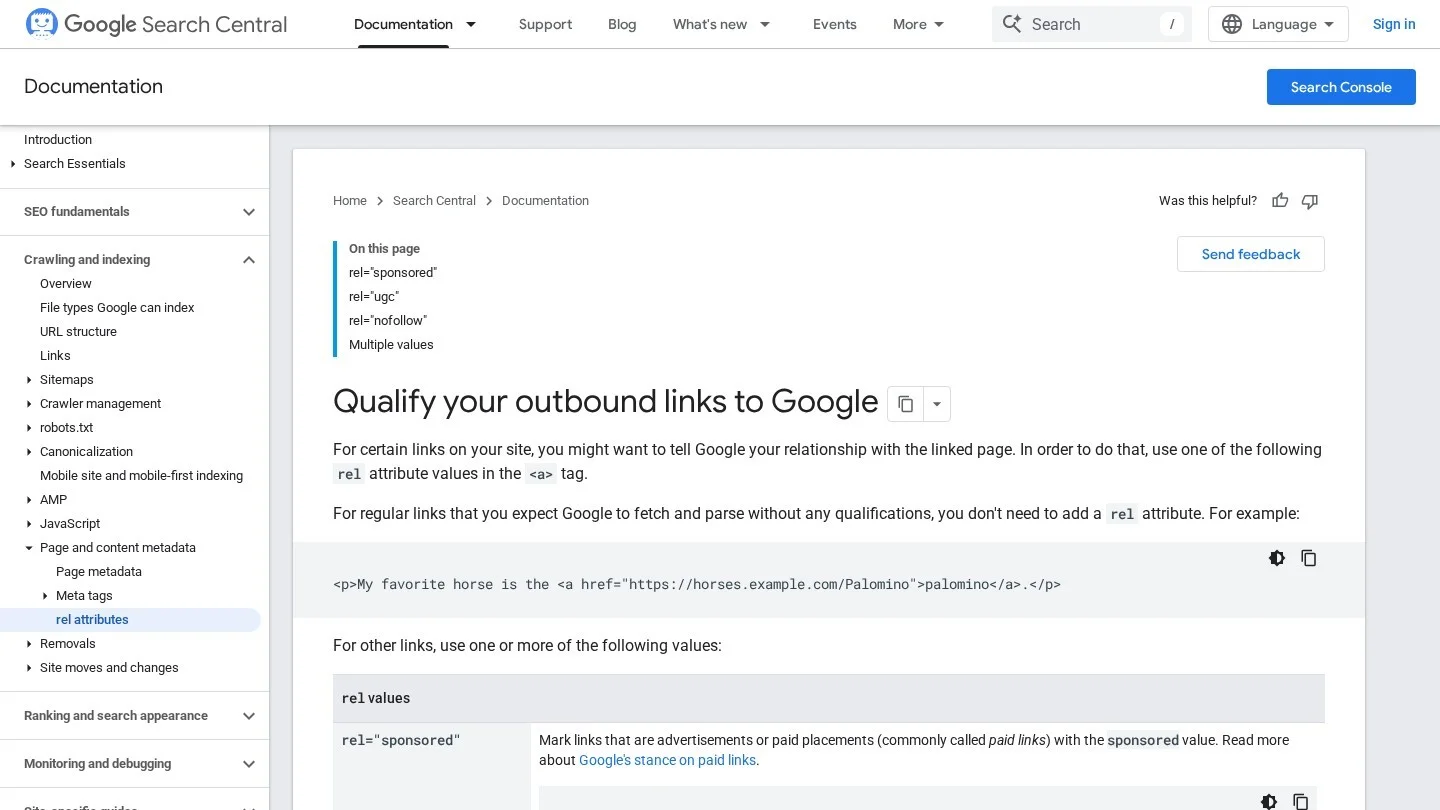
Google asks sites to mark paid or sponsored links with rel=”sponsored”. It also offers rel=”nofollow” for links a site does not want to vouch for. We remove any body link that breaks these rules.
Disclose any business tie to a product you mention. For example, say so if you sell the software you recommend or if your agency serves the practice you quote. The FTC’s Endorsement Guides expect that kind of connection to be disclosed clearly.
Avoid the Reasons We Turn Drafts Down
Most rejected drafts fail for the same few reasons. So check yours against this table before you send it.
| Reason we decline | What we usually see | How to fix it before you submit |
|---|---|---|
| No dental angle | A general SEO post with “dentist” added to the title | Rebuild it around one dental task, such as implant pages or recall emails |
| No steps | Opinions and tips with no order or detail | Write the exact steps, fields and settings you used |
| Unsourced numbers | “Studies show 90% of patients…” with no link | Link the primary source or cut the number |
| Misleading claims | Promises of results, “painless” care or specialist titles | Use cautious, accurate wording that fits the ADA Code |
| Patient details | Names, ages, photos or case notes without consent | Remove them or send proof of written authorization |
| Link-first writing | Several links to one site with keyword anchors | Keep one bio link and only useful source links |
| Copied or spun text | Text that matches pages already online | Send only original work that has not run anywhere else |
| Mass AI text | Generic paragraphs with no named experience | Add your own work, data and checked facts, then rewrite in your voice |
We do accept drafts that a writer used AI tools to research or outline. However, a named person must check every claim and add real experience. Google’s spam policies list scaled content abuse, and pages made mainly to rank break that rule whatever tool produced them.
Format Your Draft So We Can Edit It Fast
Send a Google Doc link with comment access, or a Word file. Most posts we accept run between 1,500 and 2,500 words. Length is not the goal, though. Stop writing when the reader can do the task.
- Use H2 and H3 headings that say what each section teaches.
- Keep paragraphs to two to four sentences.
- Add tables where readers compare options or numbers.
- Send your own screenshots with personal data blurred, plus alt text for each image.
- Only send photos you have the rights to use, and never photos of patients without written consent.
- Add a short bio of two or three sentences and a plain headshot if you want one shown.
Also, send only work that has not been published anywhere else. After we publish, please do not repost the full article on another site. A short summary with a link back is fine.
Send Your Dental Guest Post Through This Form
Message us only through this contact form, and we reply within 3 days. Fill in every field and paste the link to your draft. Then tell us in two lines what the reader will be able to do after reading. If we want the piece, an editor emails you with edits. If we pass, you are free to pitch it elsewhere.
Get Answers Before You Pitch Us
Can an Agency Submit a Post?
Yes. Agency staff write some of our most useful drafts. However, the post must teach, and it cannot promote your agency’s services in the body. Readers who want a vendor can browse our directory of dental SEO agencies.
Can I Write About a Tool My Company Sells?
You can mention it if it is relevant, but you must disclose the tie in the post. The steps should also work with other tools. Otherwise, the draft reads as an ad, and we decline it.
Will You Edit My Draft?
Yes. We edit for clarity, accuracy and length, and we may change the title and headings. You see the final version before it goes live.
Can I Submit a Post That Ran on My Own Blog?
No, because we publish original work only. Besides, copies of existing pages confuse search engines about which version to show.
How Long Does It Take for a Guest Post to Help My Site?
A bio link is a small signal, and search results move slowly. In fact, Google’s own hiring advice puts the usual wait at four months to a year. Our explainer on why dental SEO takes time covers the reasons.
Pitch a Second Post the Right Way
Writers who do well here often send a second post within a few months. Pick a topic that builds on the first one. For instance, a writer who explained review requests might follow with a post on reply wording. We also need fresh takes on AI SEO for dentists and on how practices calculate dental SEO ROI. Also, we always want fresh numbers from real offices on Google reviews.